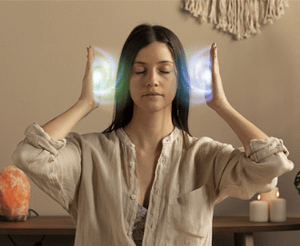

Introduction
Understanding Reiki Healing Energy
Key Principles of Reiki Healing Energy
Universal Life Force Energy: Reiki is grounded in the belief in a universal life force energy that permeates everything in the universe. Practitioners tap into this energy and channel it to facilitate healing.
Chakras and Energy Centers: Reiki practitioners work with the body’s energy centers, known as chakras, to balance and harmonize the flow of energy. Each chakra is associated with specific physical and emotional aspects of our being.
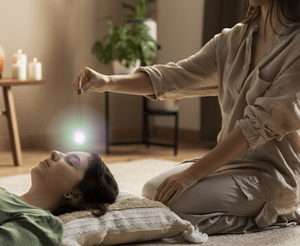
Hands-On Healing: Reiki is often administered through gentle touch or by hovering the hands slightly above the recipient’s body. Practitioners use their hands to transmit healing energy to the recipient.
Intent and Focus: The power of intent and focused attention is fundamental in Reiki. Practitioners set their intention on promoting healing and direct their energy accordingly.
The Transformative Power of Reiki Healing Energy
Stress Reduction: Reiki is renowned for its ability to induce relaxation and reduce stress and anxiety. It promotes a deep sense of calm and inner peace, helping individuals better cope with life’s challenges.
Emotional Healing: Reiki can facilitate emotional healing by releasing pent-up emotions and promoting emotional balance. It offers a safe space for individuals to process and heal from past traumas.
Physical Well-being: Reiki may contribute to physical well-being by enhancing the body’s natural healing mechanisms. It can alleviate pain, promote faster recovery, and boost the immune system.
Enhanced Mental Clarity: Many individuals report improved mental clarity and focus after Reiki sessions. It can also help with insomnia and sleep disorders, leading to better overall cognitive function.
Spiritual Connection: Reiki often leads to a deeper sense of spiritual connection and awareness. It can be a transformative journey toward self-discovery and spiritual growth.
The Reiki Healing Process
Assessment: A Reiki session typically begins with a brief discussion between the practitioner and the recipient. The recipient shares any specific concerns or intentions for the session.
Relaxation: The recipient lies fully clothed on a comfortable surface, and the practitioner either places their hands lightly on the recipient’s body or hovers their hands above it. The recipient is encouraged to relax and breathe deeply.
Energy Flow: The practitioner channels Reiki energy through their hands, directing it to the recipient’s body. This energy is often described as a warm, soothing sensation.
Chakra Balancing: The practitioner may focus on specific chakras or energy centers to balance and harmonize their energy flow. This can help address physical and emotional issues.
Release and Healing: During the session, recipients often experience sensations such as warmth, tingling, or a sense of peace. Emotional releases may also occur, leading to healing and catharsis.
Closing and Integration: At the end of the session, the practitioner gently closes the energy flow and may offer guidance or insights gained during the session. Recipients are encouraged to drink water and take time to integrate the experience.
Is Reiki Healing Energy Right for You?
Reiki healing energy can be a profound and transformative practice, but it’s important to approach it with an open mind and an understanding of its principles. Here are some considerations:
Openness to Energy Healing: Reiki is a form of energy healing, and belief in the concept of energy flow is essential for its effectiveness.
Qualifications of the Practitioner: Seek a qualified Reiki practitioner who has received proper training and certification. They should adhere to ethical guidelines and create a safe, nurturing environment for healing.
Intentions and Expectations: Clarify your intentions and expectations for the session with the practitioner. Be open to whatever healing may unfold.
Complementary Approach: Reiki can complement conventional medical treatment but should not replace it. Always consult with healthcare professionals for any medical concerns.